How many times today have you heard “Mooooom I’m bored!”?
Too many I’m sure!
I know that phrase plays on repeat in my house and after the fifth time of hearing it, I’m ready to rip my hair out, (cause how are you bored when you have all these toys, books, crafts, and outside stuff available?!) or I just want to shove any activity in front of them just so they’ll stop!
It’s so tempting to solve your kids’ problems for them so you can have peace and quiet, (because you’re probably working, cleaning, cooking, or doing any number of other things).
But there’s actually a number of surprising benefits to letting your kids be bored!

The Importance of Boredom for Kids
Child Development and Boredom
When your kids experience boredom, they develop valuable life skills like emotional regulation, problem-solving abilities, and self-motivation.
In the long run your kids may have better long-term concentration and flexible thinking. source
One way to encourage your kids to engage in other activities is by limiting screen time.
This not only fosters their creativity but also helps them become more independent in finding ways to entertain themselves.
Fostering Creativity and Imagination
This post contains affiliate links for your convenience. Click here to read my full disclosure policy.
Boredom can be beneficial because it inspires your kids to get creative and use their imagination.
When your kid is bored, they’re more likely to daydream and think more deeply which can spark their creative juices source.
To foster creativity and imagination, try giving your child open-ended materials, like building blocks, legos, or art supplies. Encourage them to explore and experiment with these materials, without any rules or guidelines.
This way, your child can freely express their thoughts and ideas, letting their imagination run wild.
Just because your kid complains they’re bored, doesn’t mean you’re doing anything wrong! It’s okay for your child to feel bored, as it can lead to positive outcomes in their development and creative thinking.
It might seem counterintuitive to encourage boredom, but sometimes they need that nudge so they can get creative!

Activities and Strategies to Encourage Boredom
Screen Time Limits
Setting screen time limits for your kids is essential to encourage boredom. By reducing the amount of time they spend on screens, you’re giving them the opportunity to explore other activities.
You may want to set up rules for when your kids can get on their electronic devices like day or time limits.
For my kids most of the time they can’t get on their devices until after dinner, and there’s a time limit for how long they can be on them. On weekends or breaks from school, they have a certain amount of things they have to do first before they can get on their devices, (ex: hygiene, free play, chores, read, etc).
I’m definitely all about letting my kids use their devices or watch TV, especially when I need them all to be busy so I can get stuff done.
But it’s about balance; occasional screen time is fine, but too much can hinder their growth and creativity.
Unstructured Time and Free Play
Encourage unstructured time and free play to let your kids explore their interests and learn new skills.
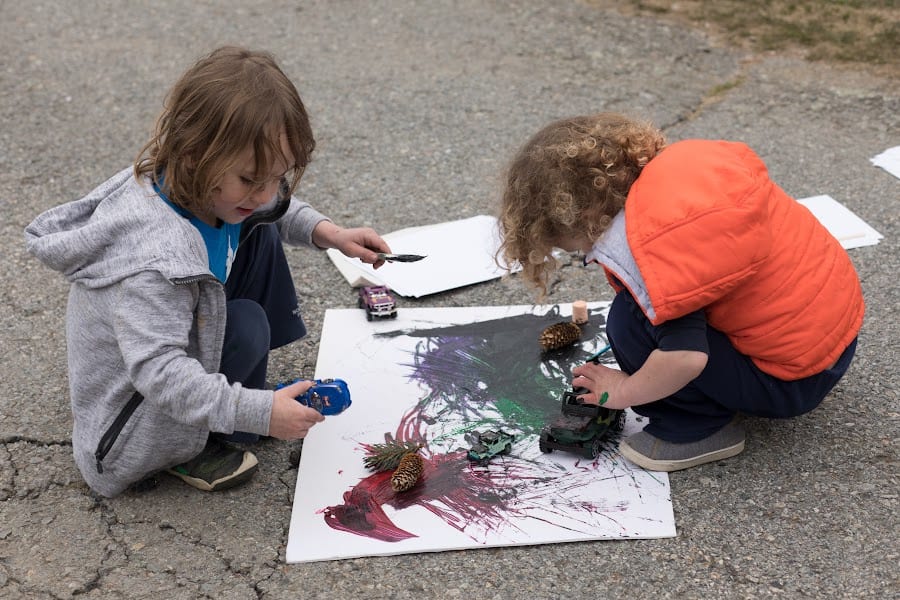
By providing them with open-ended activities and materials, they can use their imagination and creativity. Simple items like art supplies, costumes, and sports equipment can inspire your kids to make crafts and projects, role-play, or engage in physical activities.
This type of unstructured time is essential to help them develop problem-solving, planning, and organization skills.
Summer Vacation Planning
If you’re going on a summer vacation, make sure to add in some downtime.
While it can be tempting, don’t fill every moment of your trip with activities and outings. Instead, allow your kids to have unstructured moments where they can enjoy simple experiences like exploring nature, building sandcastles on a beach, or relaxing by the pool reading a book.
These moments provide them with opportunities to learn from boredom and develop independent ways to entertain themselves.
By implementing these strategies, you’ll encourage boredom in your kids and foster their creativity, independence, and problem-solving abilities.
Related: 9 Tips for Traveling with Kids
Related: Summer Activities for Kids
Life Skills and Emotional Growth
Coping with Discomfort and Emotions
When you allow your kids to experience boredom, they learn how to cope with discomfort and regulate their own emotions.
Boredom isn’t usually a pleasant feeling for kids, especially these days when there’s instant gratification with things like video games, tablets, TV, phones, etc., but learning to tolerate it helps kids to become more resilient.
They eventually understand that it’s essential to work through less enjoyable moments in life.
This process also allows them to explore their emotions and thoughts, which gives them a better understanding of themselves.

Developing Problem-Solving Skills
One of the significant benefits of boredom is that it encourages children to develop problem-solving skills.
When there’s no external stimulation, your child’s brain is challenged to come up with new ways to entertain itself.
They may invent games, play with their siblings, explore outside, pull out toys they’ve long put to the side, or even come up with new interests! These days my kids have different interests so they don’t often play together. But when they’re bored, they’re far more likely to come together to find something fun and exciting to do, which I love!
Boredom helps children to learn to think for themselves and become more independent.
Responsibility and Autonomy
Boredom also encourages children to take responsibility for their own time-management and develop autonomy.
When kids are bored, they’re more likely to initiate tasks and chores that need to be done, such as cleaning their room or finishing homework.
This sense of responsibility makes them better prepared for adulthood, as they learn the importance of managing their own time.
Also, by taking ownership of their interests and activities, they begin to develop a stronger sense of self.
Alternatives to Screen-Based Entertainment
Again, it’s all too easy to resort to letting your kids get on screens to keep them busy, (trust me I know!).
But there are lots of alternative activities your kids can do that’ll boost their creativity, confidence, and critical thinking skills.

Creative Activities and DIY Projects
Encourage your child to explore their artistic side through various creative activities. These can include drawing, painting, sculpting, making music, and crafting with recycled items.
Creating art not only enhances your child’s creativity but also develops their confidence in expressing themselves.
DIY projects can be another fun way to keep kids engaged, (my kids love these!).
Some ideas for projects are; build birdhouses, construct toy airplanes, do STEM projects, educational activities, or create simple science experiments at home.
These hands-on projects are not only fun, but also teach valuable problem-solving skills.

Reading and Podcasts
Reading is another fantastic alternative to screen time, as it nurtures imagination and enhances language skills.
You can go to the library and get books that pique your kids interests. The library is a regular hangout for my family and having so many different books available has really helped my kids fall in love with reading!
These days graphic novels are my older kids go to. They can’t get enough of them!
To encourage reading, you can make time for family reading sessions, or challenge your child to read for a certain amount of time each day.
Podcasts are an excellent option for kids who prefer listening to stories or learning new things audibly.
You can find age-appropriate podcasts on a variety of subjects, such as science, history, or storytelling.
Listening to podcasts together can also foster meaningful discussions and connections.

Physical Activity
Physical activity plays a crucial role in your child’s overall well-being.
You can encourage your child to play sports, play outdoor games, or go for walks and hikes as a family.
Regular physical activity not only improves physical health but also boosts emotional and mental well-being.
Plus, if your kid is playing team sports, this teaches essential skills like collaboration, sportsmanship, and communication.
Related: 50 Family Activities To Enjoy Together
Board Games
Board games are another great way to pass the time while improving cognitive and social skills.
From strategy games to trivia, to cooperative and physical games, there’s something suitable for every child’s interests and age group.
Playing board games together as a family fosters bonding, cooperation, and healthy competition, (it’s one of my favorite activities to do with my kids).
Final thoughts
So the next time your kids tell you they’re bored, hold off on trying to solve that for them and let them sit with that feeling.
Chances are they’ll figure it out for themselves and it may be something you would never have thought of!
There are so many benefits of boredom for kids and using these strategies to encourage boredom will help unlock your child’s creativity, independence, problem-solving, and more!

